UML diagram examples
UML diagram examples you can generate from text
UML diagram examples — class, sequence, and state — generated from a plain-English description and laid out automatically. Free to try.
Prose in. Diagram out.
The prompt
An Animal has a name and can makeSound(). Dog and Cat inherit from Animal. A Shelter holds many Animals.
ChartCraft draws
More UML diagram examples
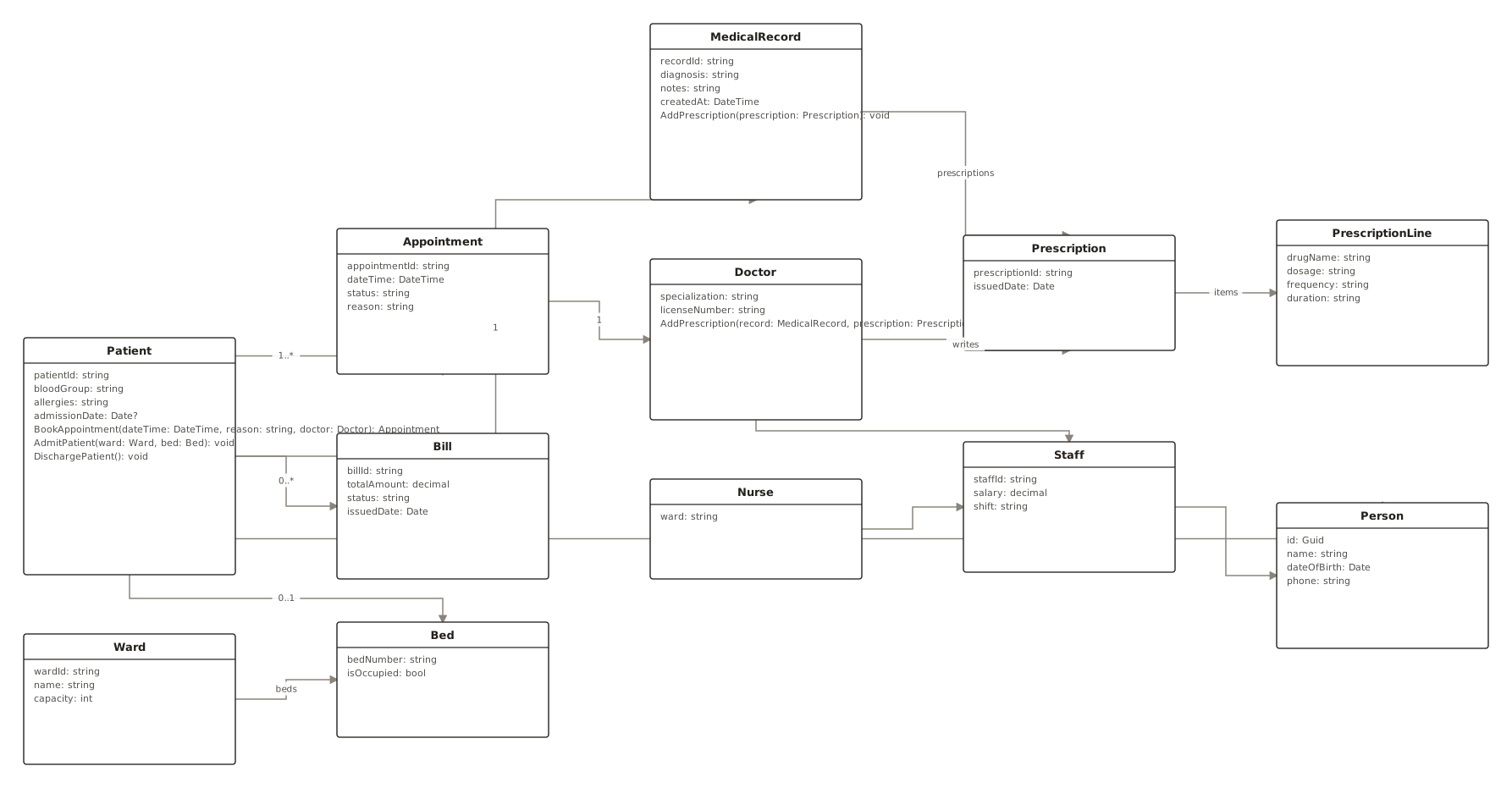
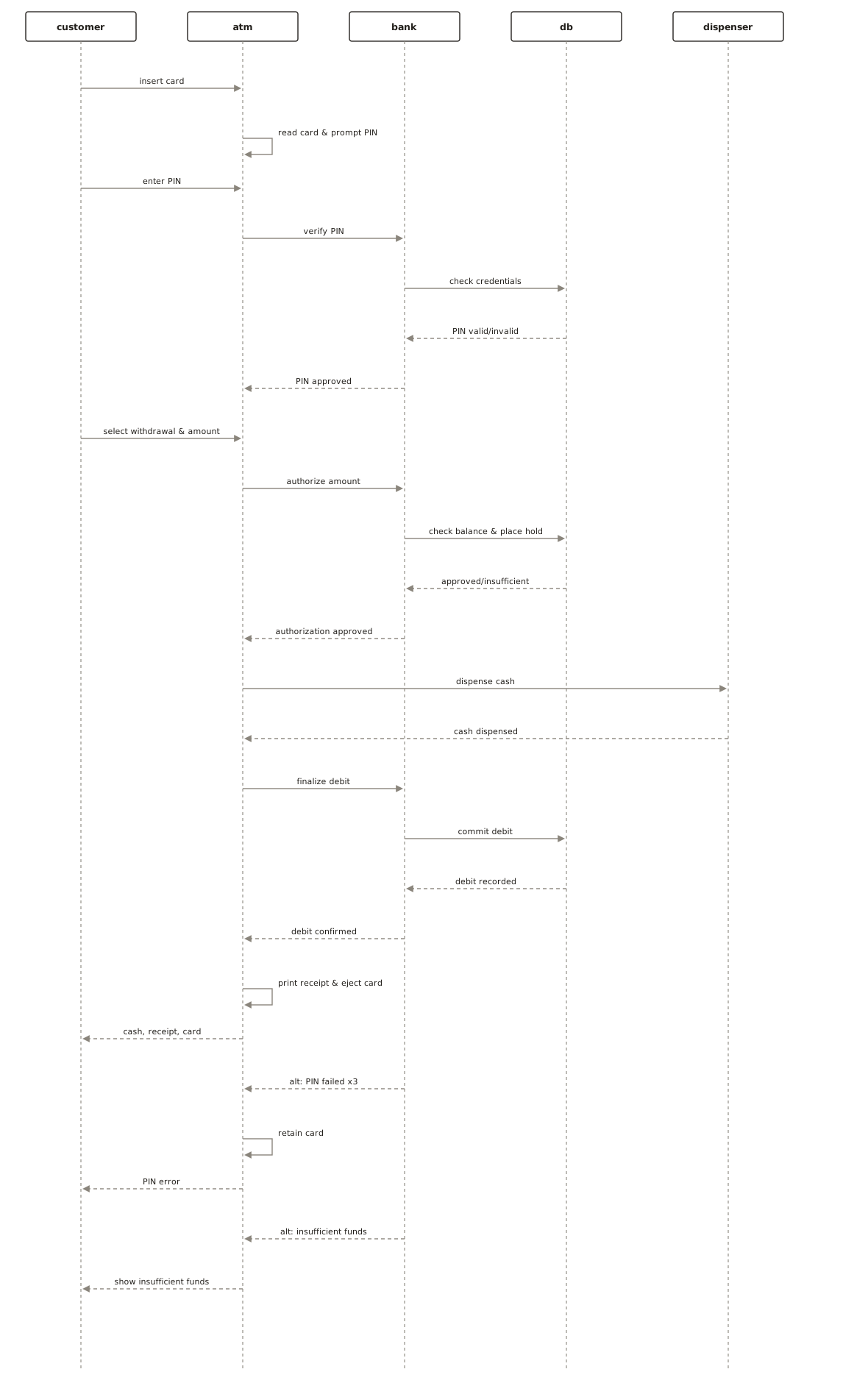
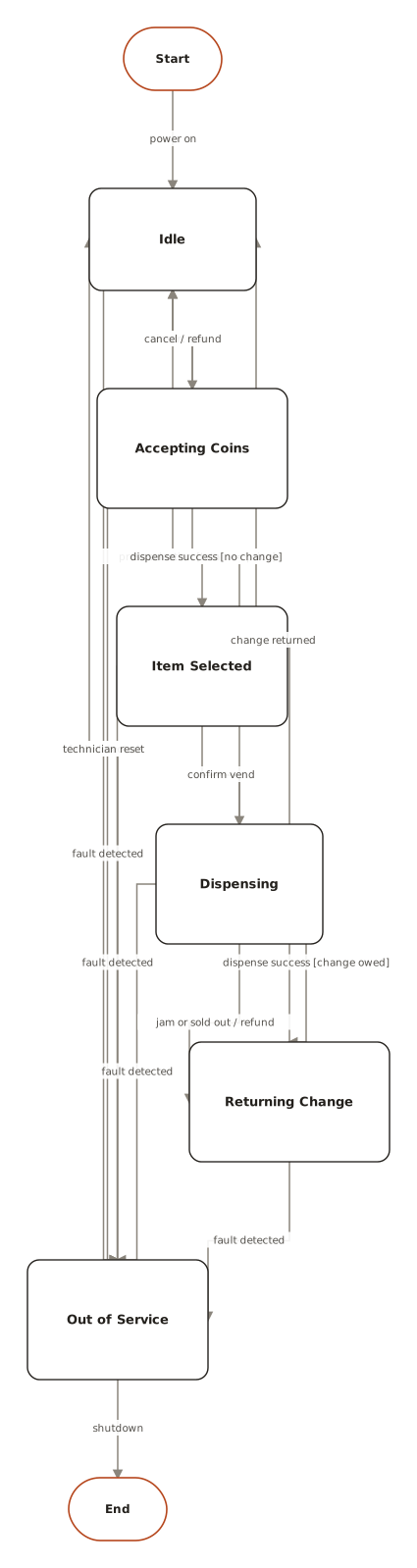
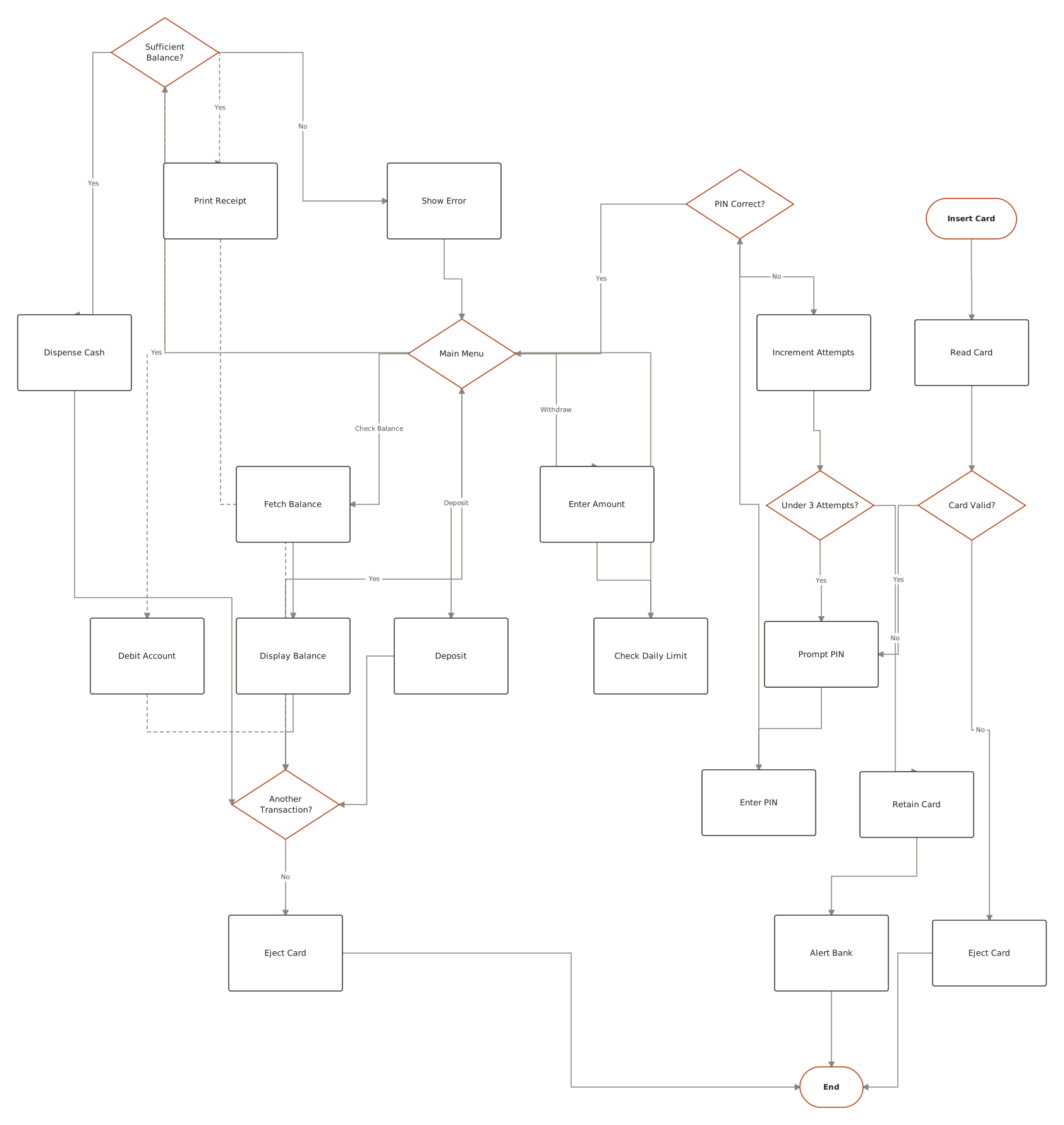
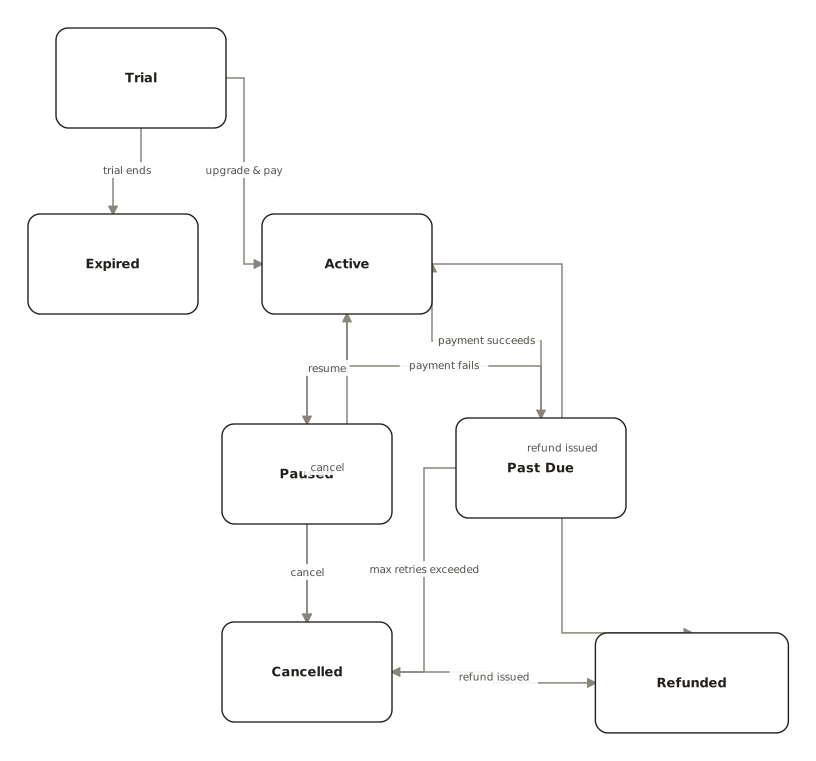
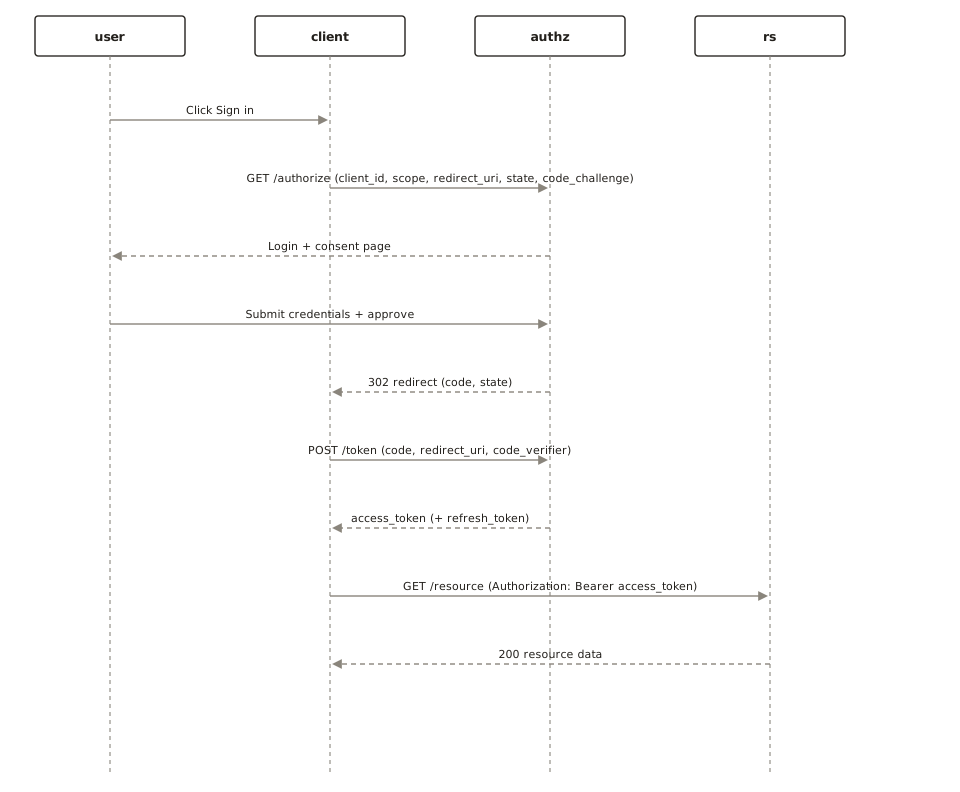
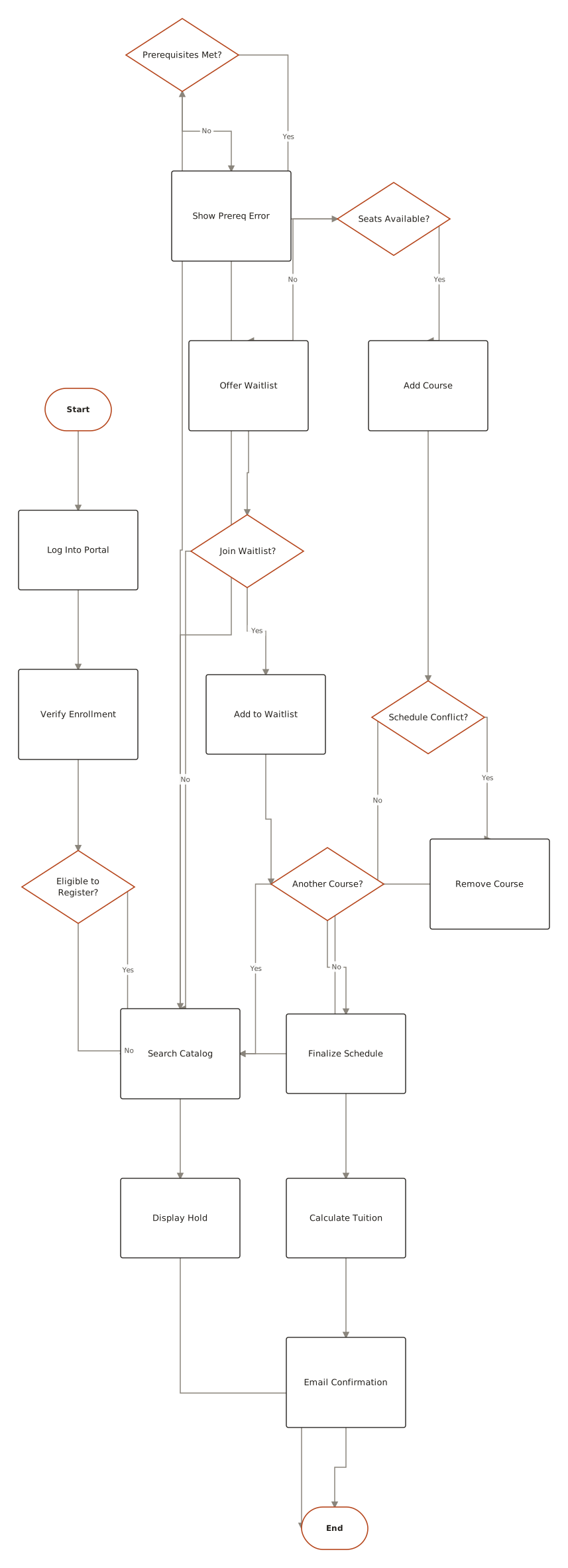
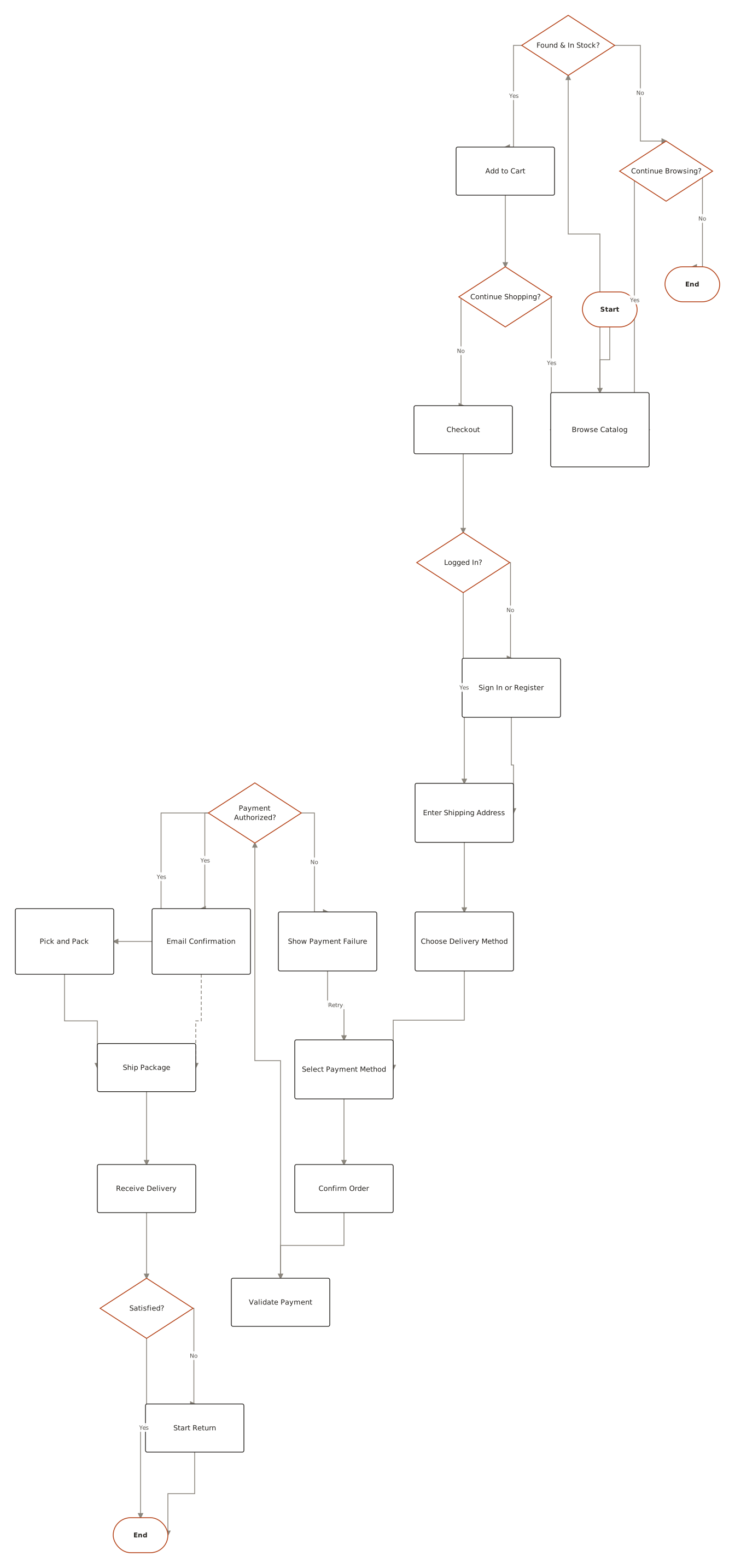
Generated with ChartCraft and published in the examples gallery — open one to see its prompt, or use it as a starting point.
The notation, in 30 seconds
UML is a family of notations. These four diagram types cover most real-world use — and ChartCraft generates all four from plain English.
| Element | What it means |
|---|---|
| Class diagram | Structure: classes, attributes, methods, inheritance, and ownership relationships. |
| Sequence diagram | Interaction over time: who calls whom, in what order, with what replies. |
| State diagram | Lifecycle: the states one object moves through and the events that move it. |
| Activity diagram | Workflow: actions, decisions, and parallel paths — UML's flowchart. |
| Multiplicity marks | 1, 0..1, and * on association ends — how many of each side participate. |
| Stereotypes | «» labels like «interface» or «abstract» that refine what a box means. |
Best practices — and the classic mistakes
Do
- Choose the diagram type before drawing — forcing a lifecycle into a class diagram helps nobody.
- One diagram, one question: structure, interaction, or lifecycle — never all three at once.
- Keep participant counts low: 5–12 classes, up to ~7 sequence participants, 5–9 states.
- Use standard notation strictly — UML's value is that the arrows mean the same thing everywhere.
- Pair diagrams: a class diagram for structure plus a sequence diagram for the key flow explains a system fast.
Avoid
- Wrong diagram type for the question being asked — the most common UML mistake by far.
- Home-made arrow meanings — readers assume UML semantics; improvising breaks the contract.
- Wall-sized diagrams that show everything and explain nothing.
- Skipping returns and guards, leaving the precise parts of the notation unused.
Questions
How were these UML diagram examples made?
Each example was generated by ChartCraft from a plain-English prompt, then laid out automatically — the same way you'd make your own. Click any example to see its full page.
Can I use these UML diagram examples as templates?
Yes — open an example, copy its prompt into the studio, then edit it in plain English to fit your case.
Which UML diagram should I start with?
For most systems: a class diagram for the domain structure, then a sequence diagram for the most important flow. State and activity diagrams join when a lifecycle or workflow needs pinning down.
Do people still use UML?
The formal, tool-enforced UML process is rare now, but class, sequence, and state diagrams are everyday tools — they're the shared vocabulary for describing structure and behaviour.
Is it free?
Your first 3 diagrams are free with no account, then 5 a month on a free account.