ER diagram examples
ER diagram examples with crow's-foot notation
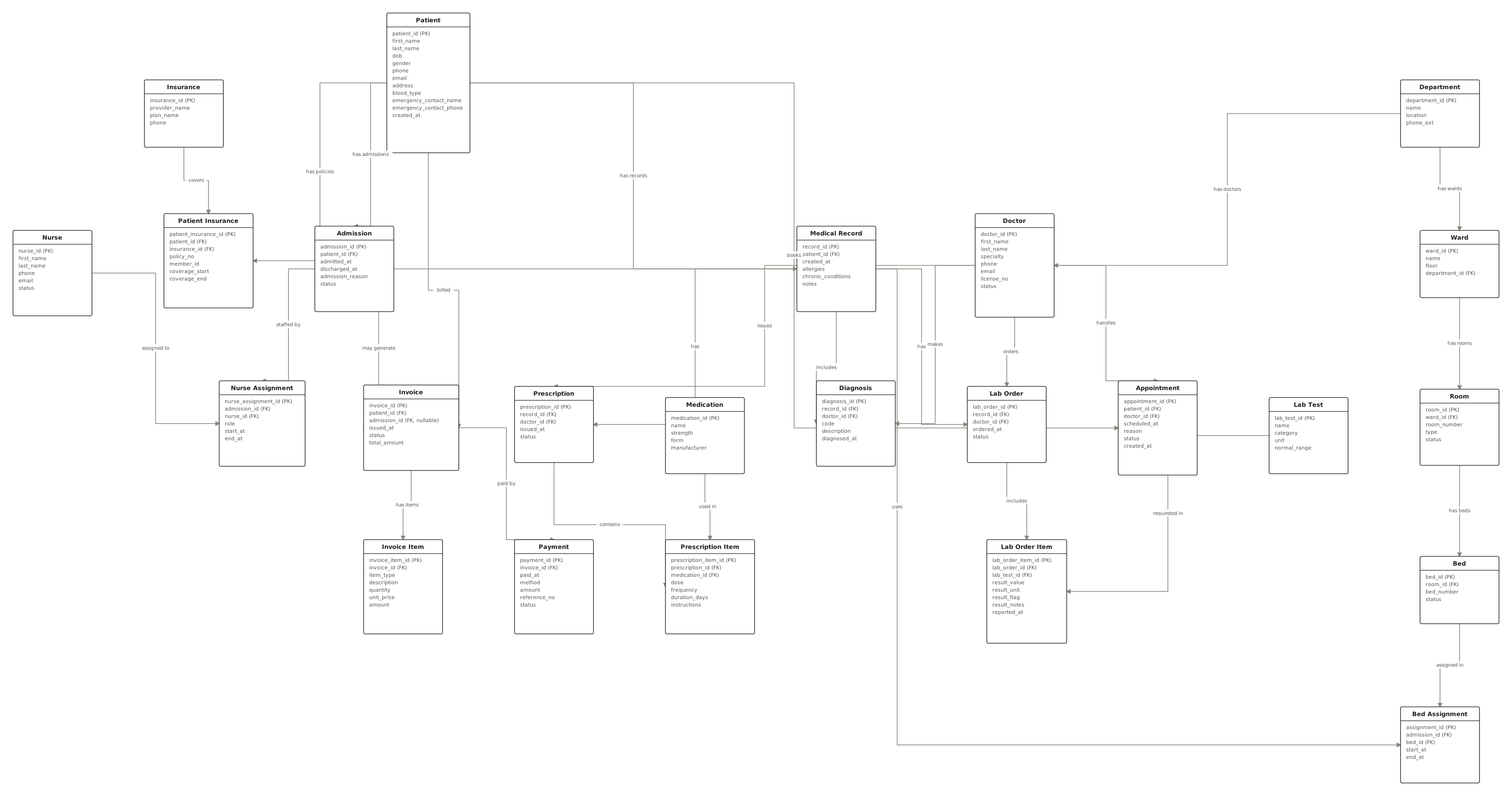
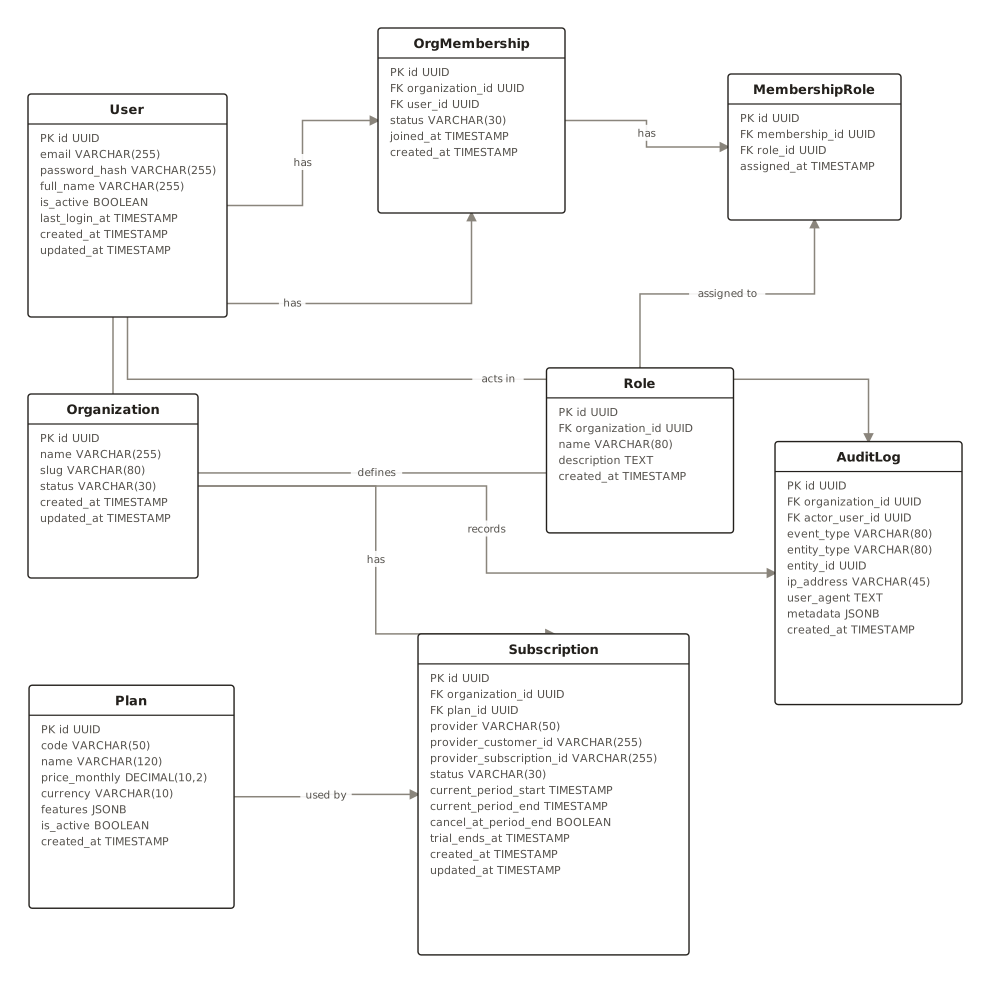
Entity-relationship diagram examples generated from a plain-English description — keys, cardinalities, and crow's-foot notation, laid out automatically.
Prose in. Diagram out.
The prompt
An e-commerce store: customers place orders, each order contains many order items, and each order item references a product.
ChartCraft draws
More ER diagram examples
Generated with ChartCraft and published in the examples gallery — open one to see its prompt, or use it as a starting point.
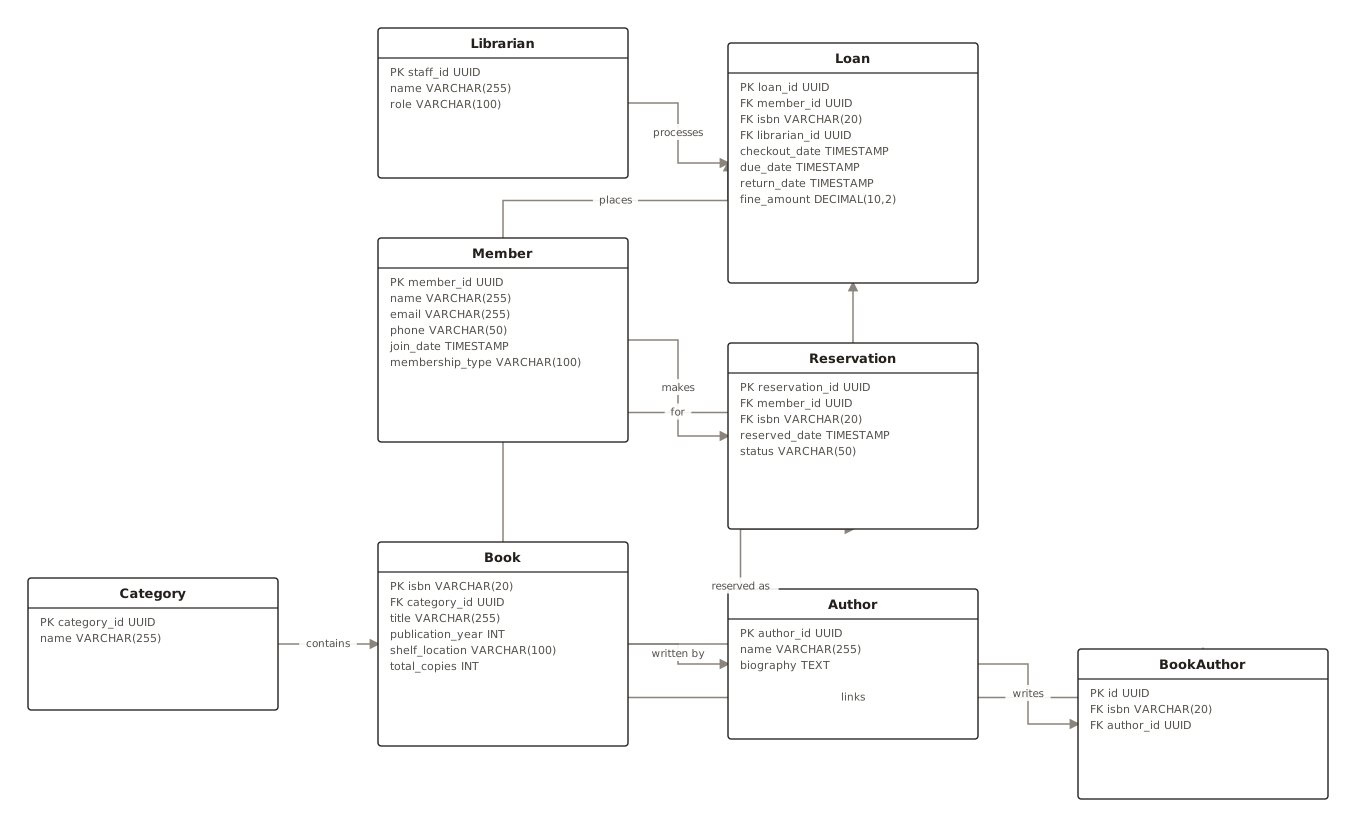
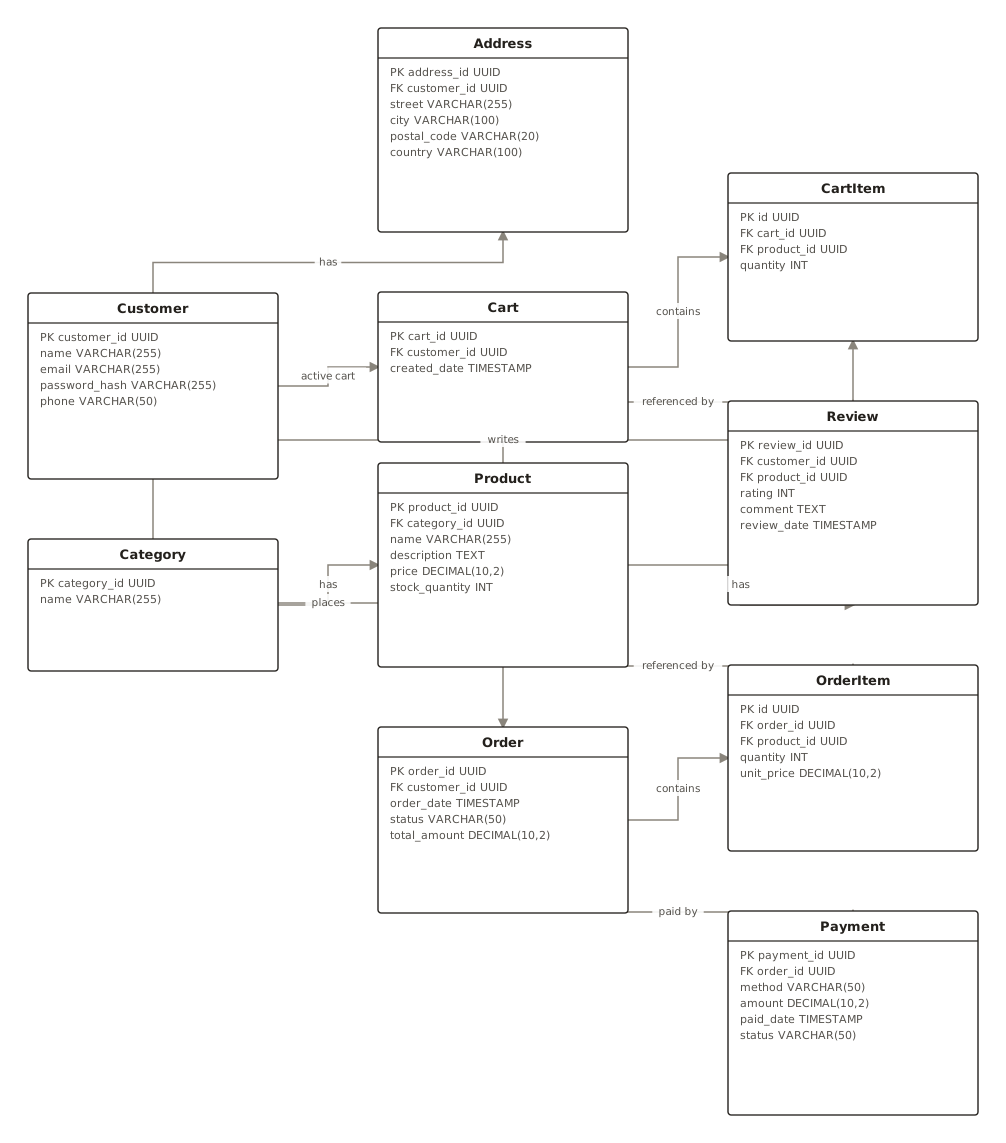
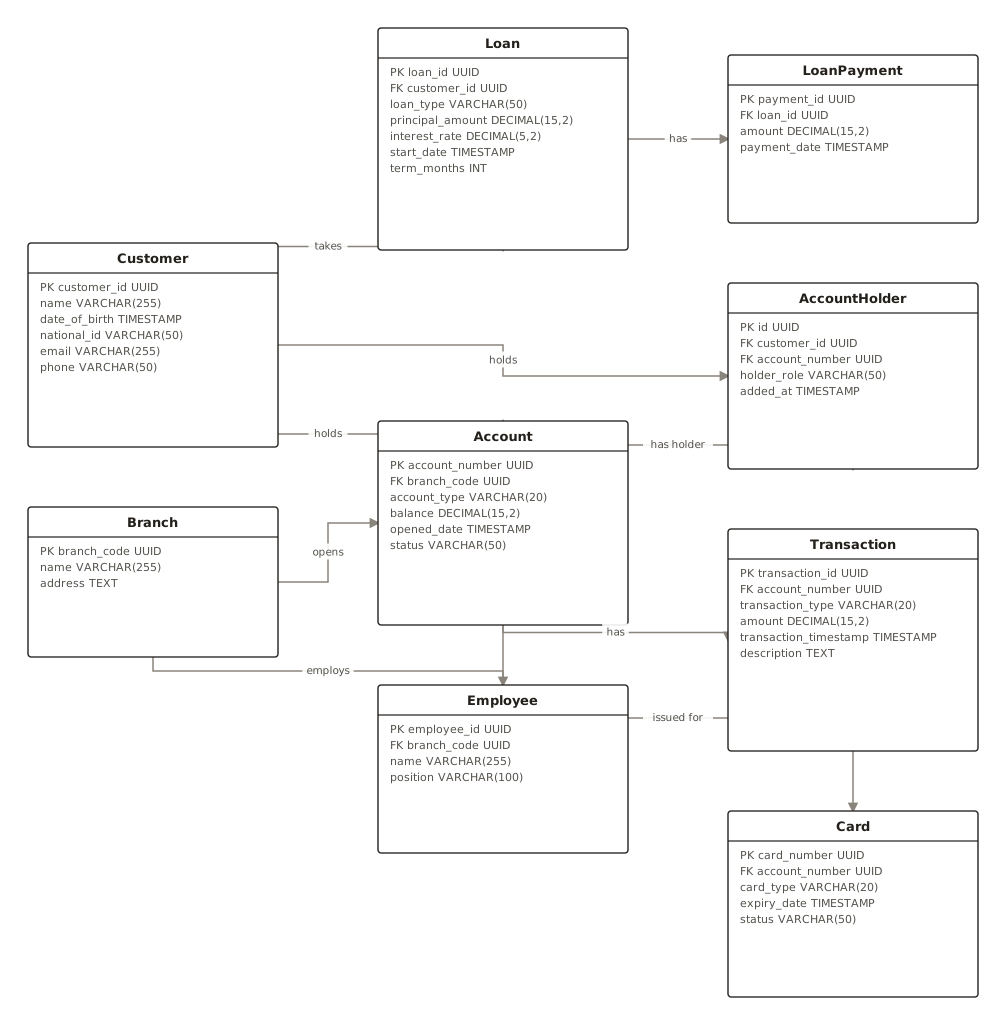
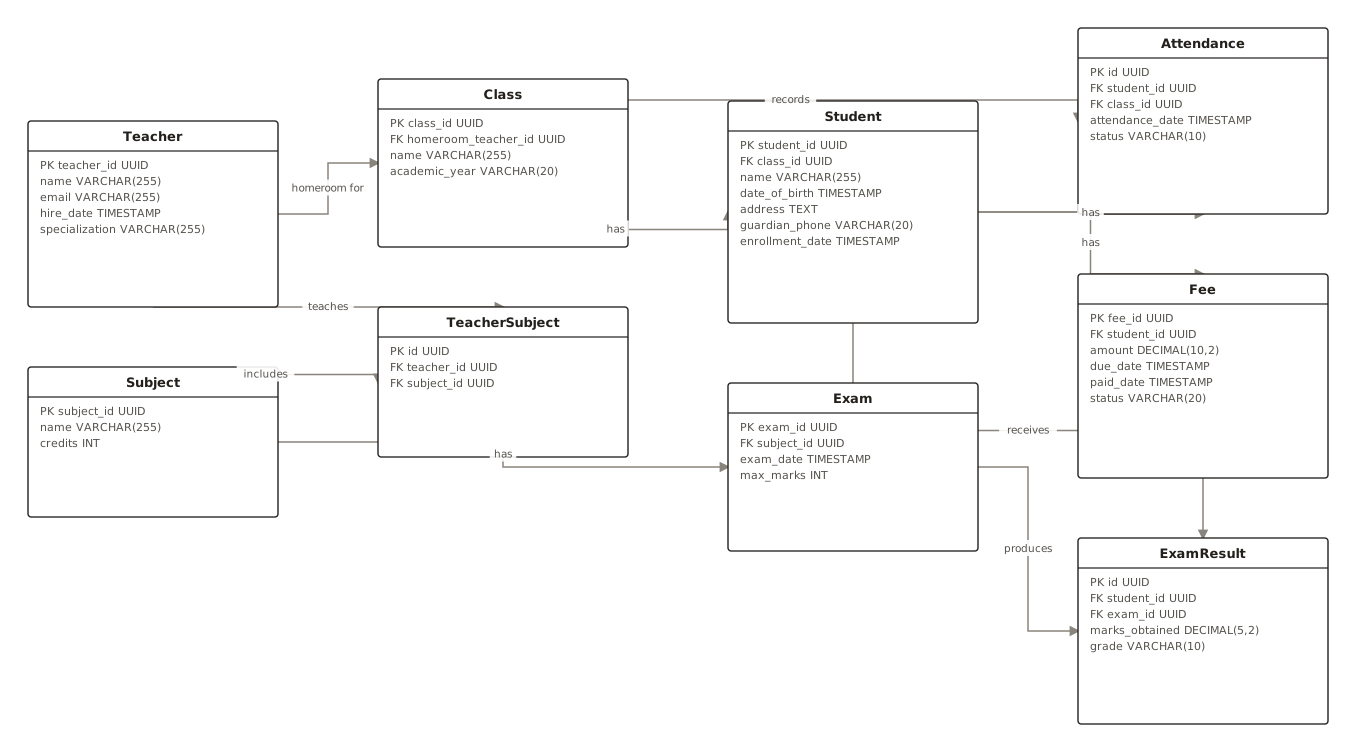
The notation, in 30 seconds
Crow's-foot notation in one table — entities, keys, and the three cardinality marks that carry all the meaning.
| Element | What it means |
|---|---|
| Entity (box) | A thing you store rows of: Customer, Order, Product. Name it in the singular. |
| Primary key (PK) | The column that uniquely identifies a row. Every entity needs exactly one. |
| Foreign key (FK) | A column holding another entity's PK — it lives on the “many” side of a relationship. |
| One-to-many (crow's foot) | The three-pronged “foot” sits on the many side: one Customer places many Orders. |
| Many-to-many | Never drawn directly — resolved through a junction entity (Enrollment between Student and Course). |
| Optionality (circle / bar) | A circle means “zero or…”, a bar means “exactly”: a Customer may have zero Orders. |
Best practices — and the classic mistakes
Do
- Singular entity names — Order, not Orders; the box already means “many rows of this”.
- Resolve every many-to-many through a named junction entity — the name often reveals a missing concept (Enrollment, LineItem).
- Show PK first, then FKs, then the handful of columns a reader needs; hide the rest.
- Keep lookup/reference tables at the edge of the diagram so the core story stays readable.
- If two entities share most columns, consider one entity with a type column instead.
Avoid
- A many-to-many drawn as a single line — it can't be implemented; it needs a junction table.
- Missing foreign keys — a relationship line with no FK column on the many side is wishful thinking.
- Storing lists in a column (“tags: a,b,c”) instead of modelling a child entity.
- Crow's foot on the wrong end — the foot always touches the side that can have many rows.
Questions
How were these ER diagram examples made?
Each example was generated by ChartCraft from a plain-English prompt, then laid out automatically — the same way you'd make your own. Click any example to see its full page.
Can I use these ER diagram examples as templates?
Yes — open an example, copy its prompt into the studio, then edit it in plain English to fit your case.
What's the difference between an ER diagram and a database schema?
An ERD is the conceptual map — entities, relationships, cardinalities. The schema adds physical detail: exact types, indexes, constraints. Draw the ERD first; the schema follows almost mechanically.
How do I model a many-to-many relationship?
Introduce a junction entity holding a foreign key to each side — Student and Course connect through Enrollment. It usually earns extra columns of its own, like enrolled_date or grade.
Is it free?
Your first 3 diagrams are free with no account, then 5 a month on a free account.